


Updated . Published .
E Color Diamonds: Are They Worth It Over F?
E is the second highest grade on the GIA color scale, in the colorless group with D and F. Set in a ring, E looks the same as D or F to most people. In November 2026 a 1 carat round E VS2 cost about 3% more than an F and about 6% less than a D.
- E is the second of three colorless GIA grades: D, E and F.
- Any color in an E is so slight that graders find it only by comparison with master stones.
- In November 2026 a 1 carat round E VS2 had a Fair Price Estimate of $4,179: about 3% more than F and 6% less than D.
- The step from F to E was the smallest price step between any two neighboring grades from D to K.
- E looks colorless in any metal and shows best in platinum or white gold.
🛡️ Check your diamond 💎 Search diamonds
What is an E color diamond?
E is the second highest color grade GIA gives, one step below D. On the GIA scale, D, E and F form the colorless group, the rarest and most valuable part of the D to Z range. Any color in an E is so slight that graders find it only by comparing the diamond with master stones.
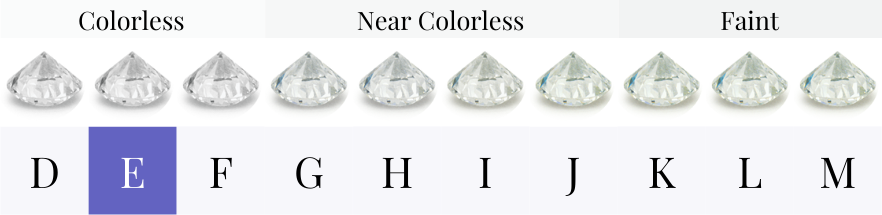
GIA grades color with the diamond face down, next to master stones of known color, under controlled light (GIA). That setup shows differences that are hard to see once a diamond is set and seen face up. Our diamond color guide explains the full D to Z scale.
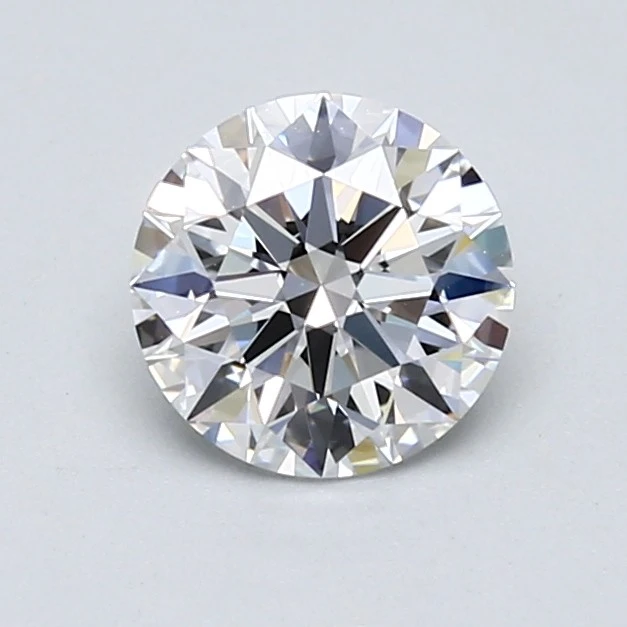
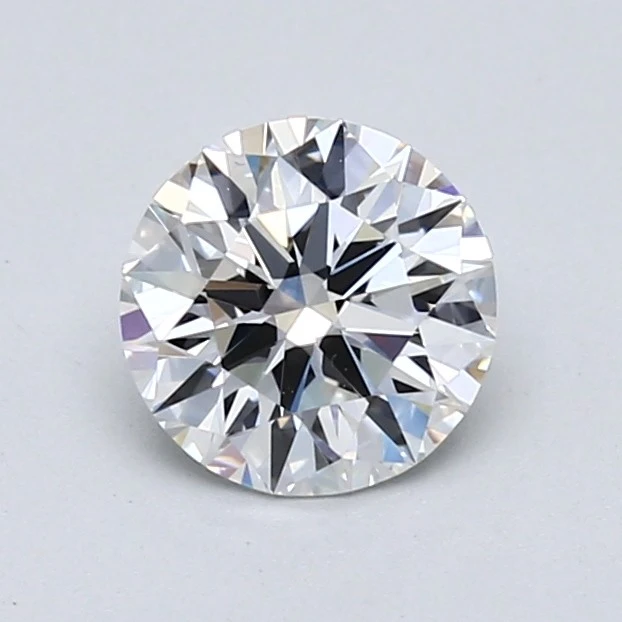
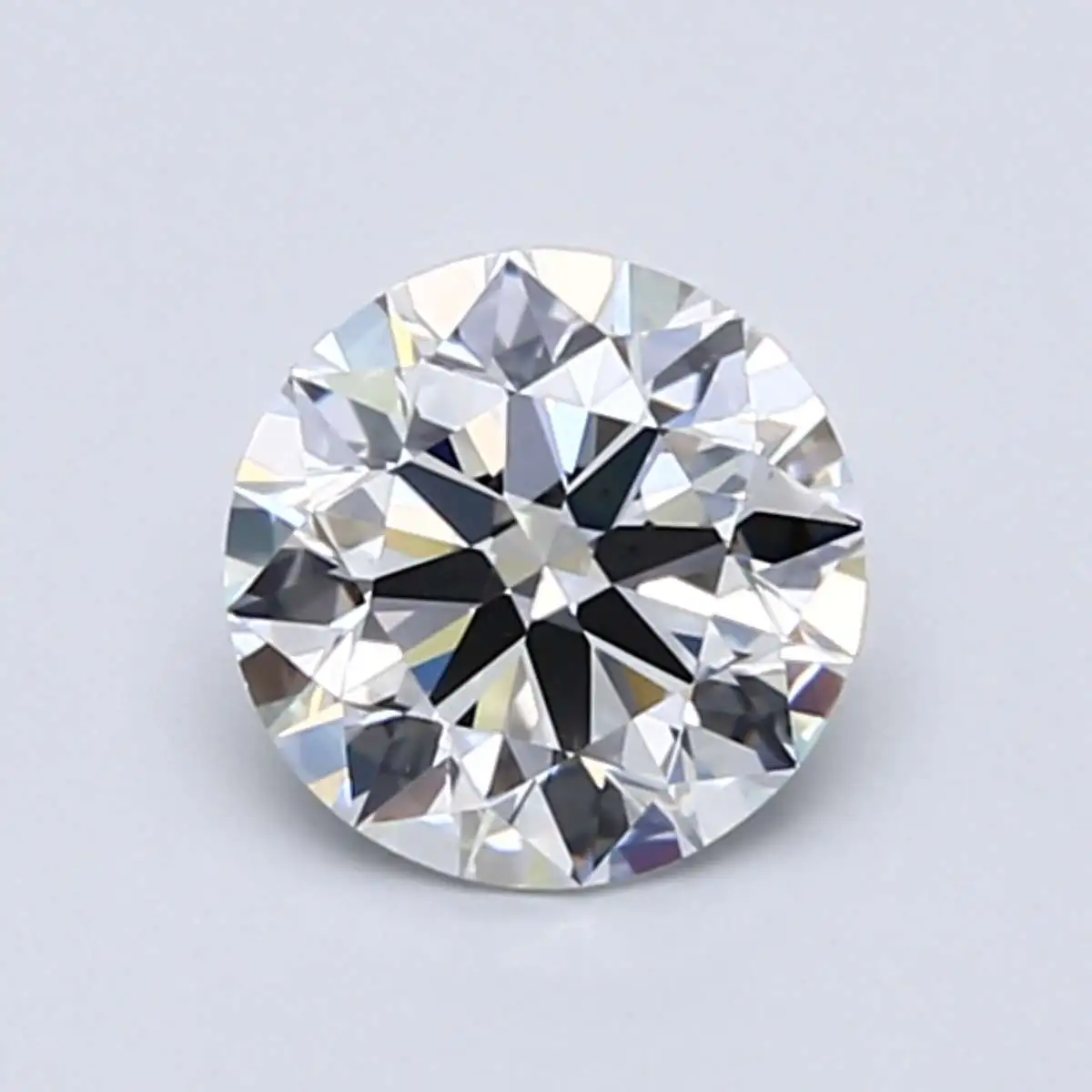
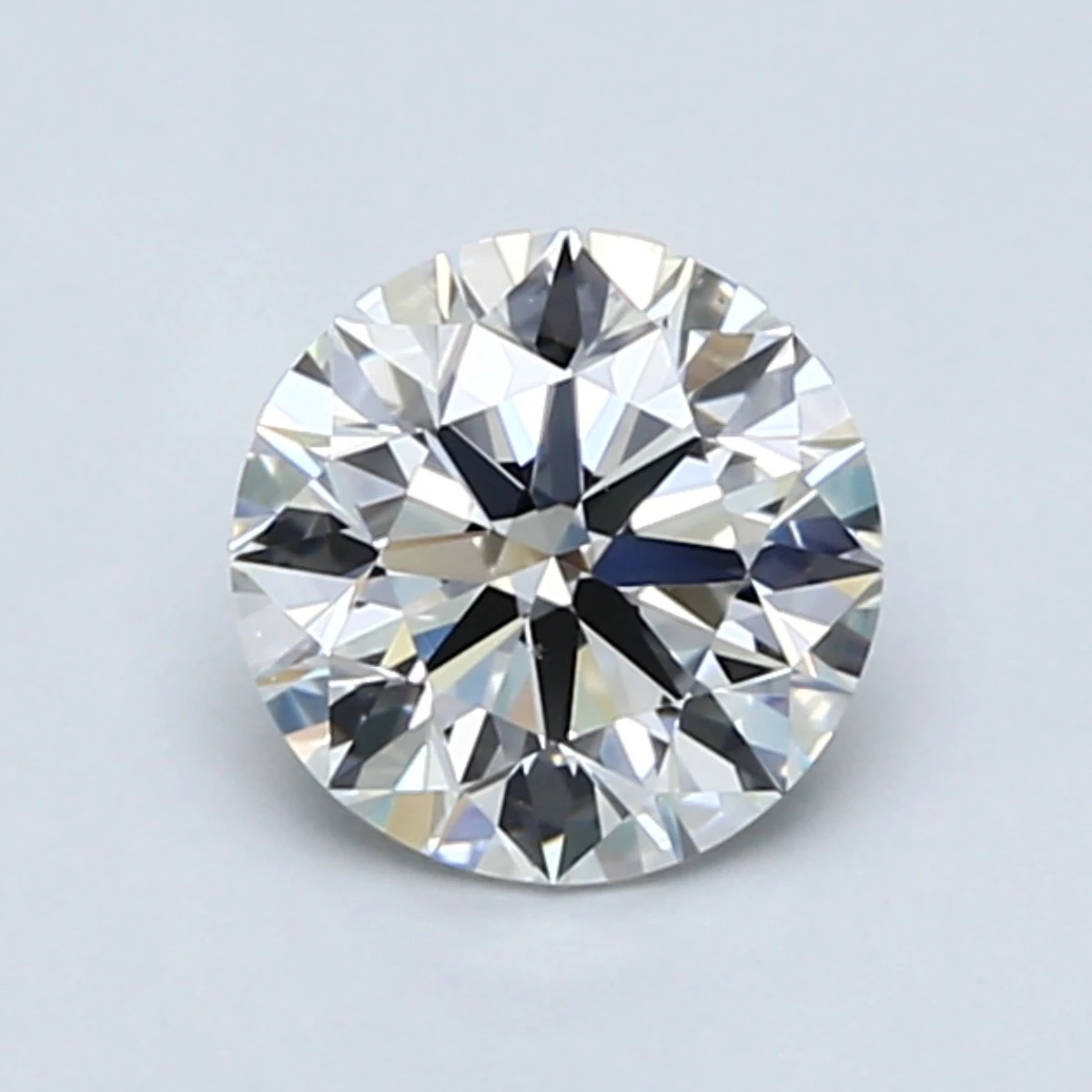
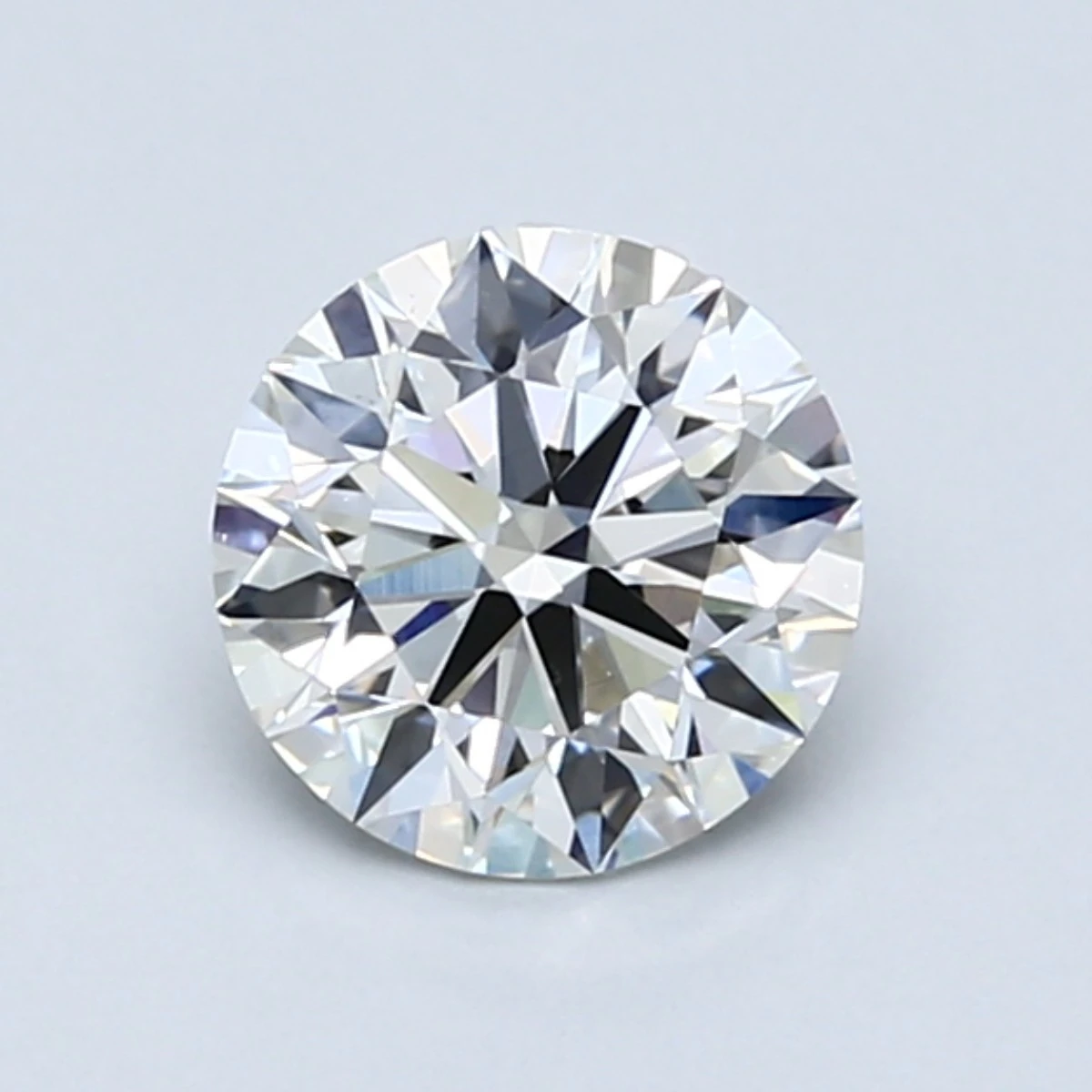
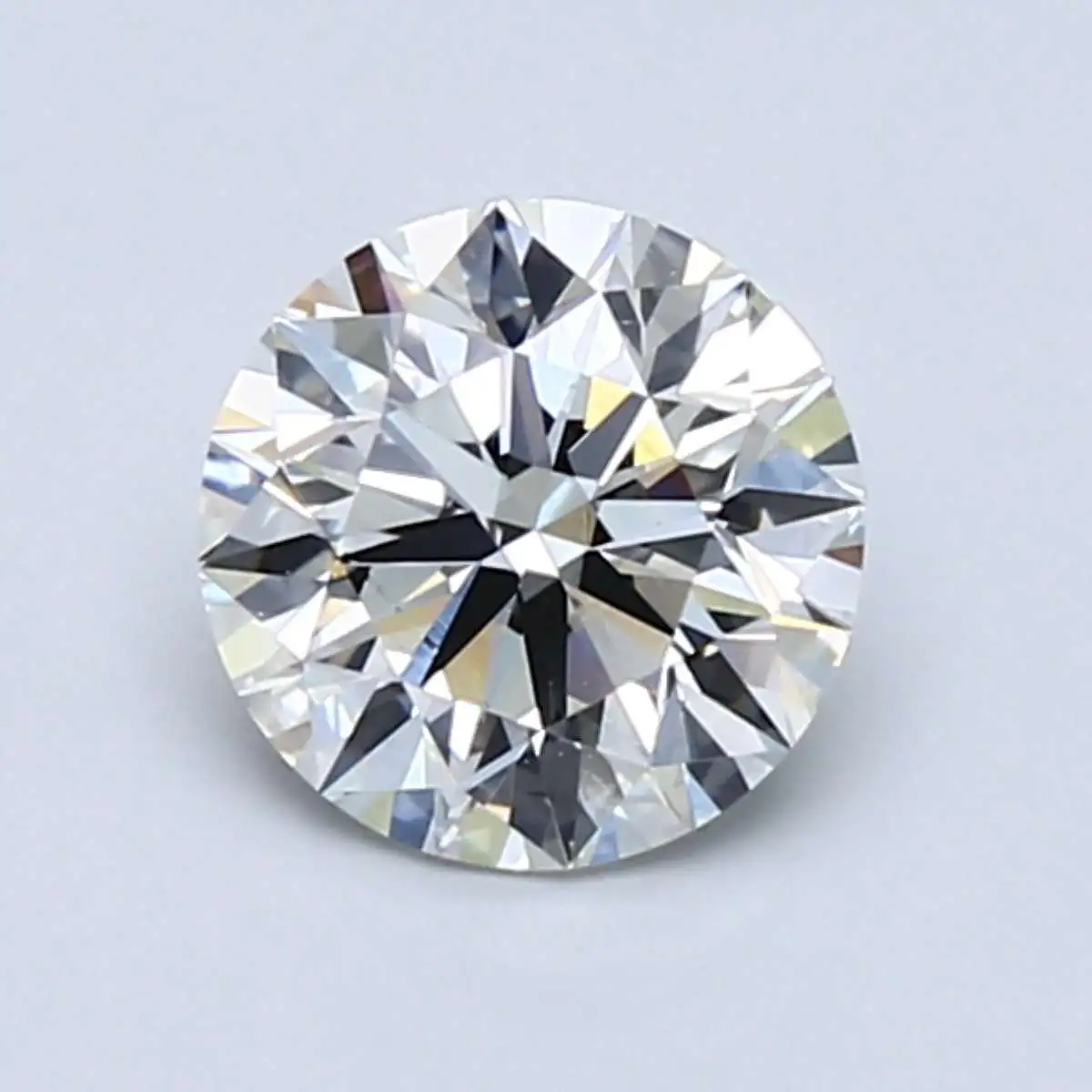
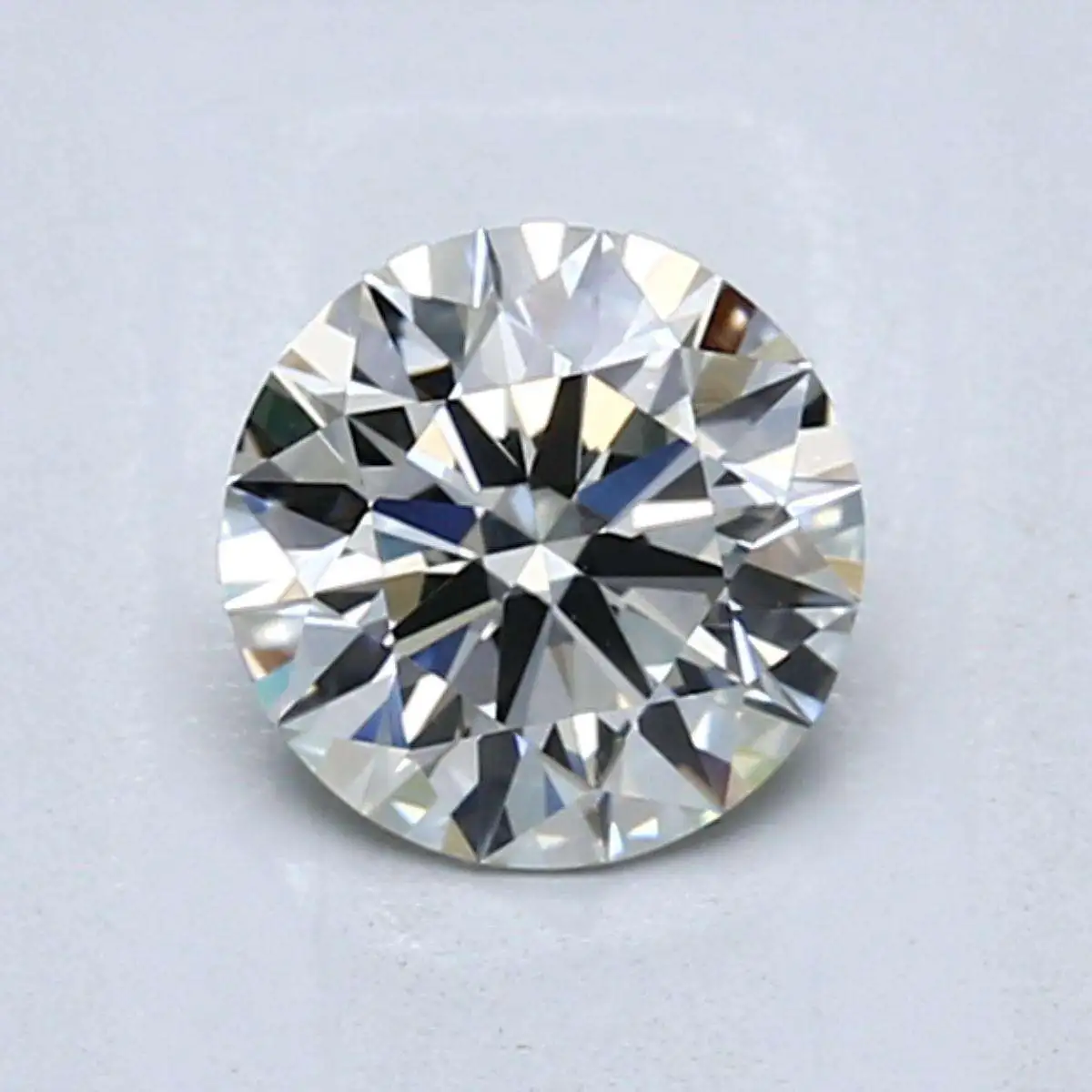
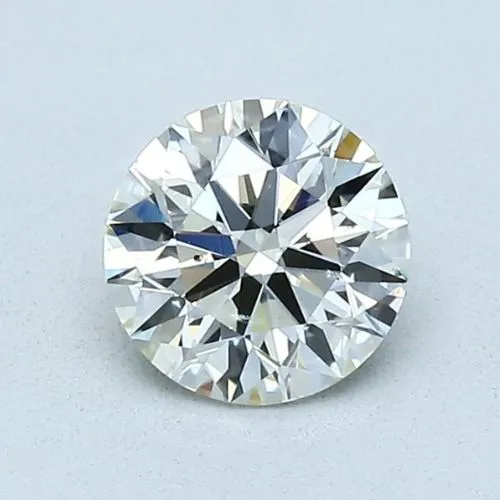
Eight round diamonds near 1 carat, graded D (top left) through K (bottom right). Try to sort them by color without the labels. Select a diamond to see live listings in that color.
E color vs. D and F: what is the difference?
E sits between D and F. All three are colorless, and G starts the near colorless group.
| Grade | GIA group | What most people see face up | 1 carat price (November 2026) | Compared with E |
|---|---|---|---|---|
| D | Colorless | No color to the eye | $4,422 | 6% more |
| E | Colorless | No color to the eye | $4,179 | This grade |
| F | Colorless | No color to the eye | $4,049 | 3% less |
| G | Near colorless | Color usually unnoticeable | $3,735 | 11% less |
Prices are StoneAlgo Fair Price Estimates from the diamond price calculator for a 1 carat round natural diamond with VS2 clarity, excellent cut, polish and symmetry, and no fluorescence, read on November 14, 2026.
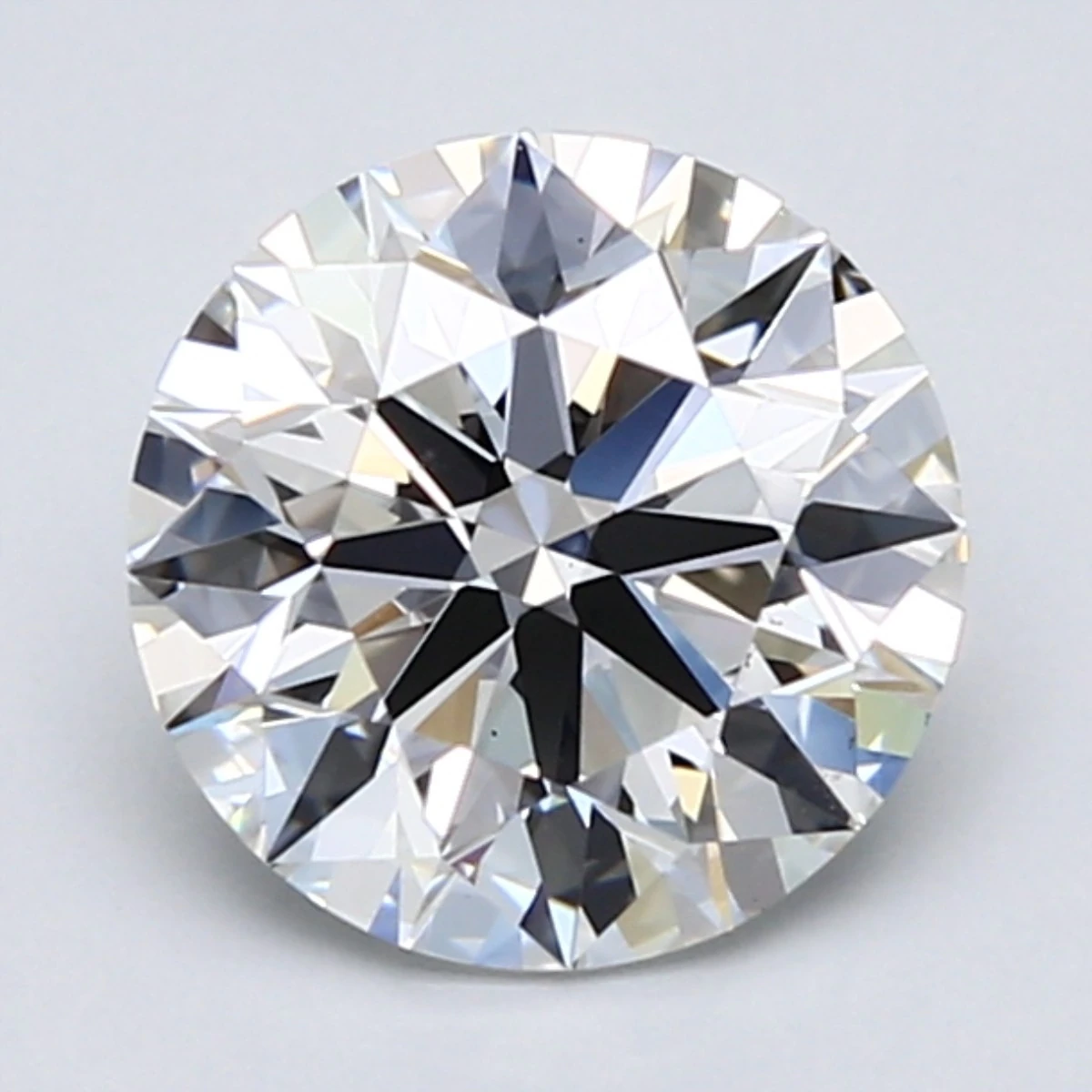
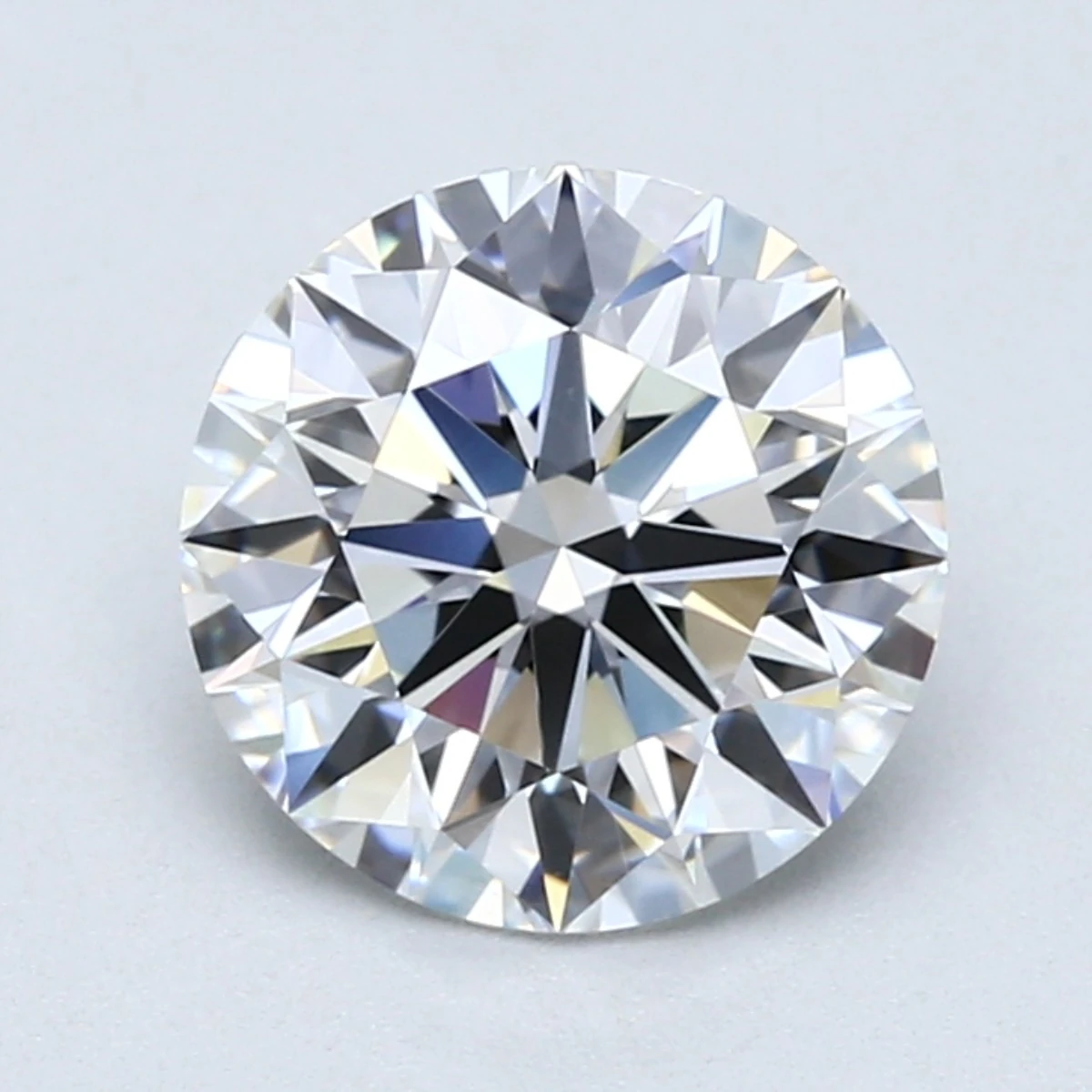
Left: F color. Right: E color. Face up, most people cannot pick out the E.
Face up, E and F look alike to most people, and so do E and D. In November 2026 the gap between E and F was about 3% at 1 carat, the smallest step between any two neighboring grades from D to K. That makes F the usual way to save on a colorless diamond. E or D makes more sense for very large stones and for step cuts, which show color more easily. Compare with our D color guide and F color guide.
How much does an E color diamond cost?
In November 2026, the StoneAlgo price calculator gave a 1 carat round E color diamond a Fair Price Estimate of $4,179. That is for VS2 clarity, excellent cut, polish and symmetry, no fluorescence, and a natural diamond. The calculator showed a range of $1,757 to $6,843 for the same inputs.
An E color diamond price sits close to F and below D. Because the gap to F is small, compare real listings of both grades. For a specific stone, a better cut or a lower price often matters more than the letter.
The estimate updates daily from live listings at online jewelers. Open the calculator with these inputs and change the carat, clarity and shape to match the diamond you want. To see real diamonds, browse 1 carat round diamond prices, or put up to four diamonds side by side in the diamond comparison tool.
Does carat size or shape change how E color looks?
An E faces up colorless at any common size and in any shape. Color is easier to see in larger diamonds and in step cuts such as emerald and asscher, whose broad, open facets show the body color. Round brilliants break light into many small flashes, which makes a faint tint harder to see. That is where E or D can make sense over F. For a round, a high cut score helps the diamond look bright.
Which metal setting is best for an E color diamond?
Platinum and white gold suit an E best. GIA notes that a white metal can emphasize the absence of color, and that yellow or rose gold makes a colorless diamond look warmer than it is (GIA). In a warm metal the gap between E and a near colorless grade such as G gets smaller. If you choose a gold band, ask for white prongs.
Which clarity grade goes best with E color?
E color shoppers often pair it with VS1 or VVS2. A VS2 round near 1 carat is often eye clean, which means you see no inclusions without magnification, and it costs less. Read our VS1 clarity guide and how to find eye clean diamonds to decide. Browse live listings:
- 1 carat round E color, VVS2 clarity diamonds
- 1 carat round E color, VS1 clarity diamonds
- 1 carat round E color, VS2 clarity diamonds
- 1 carat round E color, SI1 clarity diamonds
Is fluorescence good or bad in an E color diamond?
About 25% to 35% of diamonds show some fluorescence under long-wave UV light, and more than 95% of those glow blue (GIA). In a GIA study, average observers saw no systematic effect of fluorescence on how diamonds looked.
For an E, fluorescence changes the price more than the look. GIA notes that diamonds from D to H with very strong fluorescence often sell for less than diamonds with none. In November 2026 the StoneAlgo price calculator priced a 1 carat round E VS2 with faint fluorescence about 8% below the same diamond with none, with medium about 17% below and with strong about 21% below. These steps match our older study of 1 carat round diamonds, so treat them as a guide. Faint fluorescence can save money with no visible change for most people. See strong fluorescence on video in daylight before you buy. Our diamond fluorescence guide has the full table.
Is an E color diamond worth it?
An E color diamond is worth it if you want a colorless diamond and the price gap to F is small for the stone you like. If your budget is fixed, F looks the same to most people and costs a little less. For yellow or rose gold, the warm metal narrows the visible gap, so a near colorless grade such as G is a sensible saving. Use the diamond check to see the cut score and Fair Price Estimate of a GIA graded round.
🛡️ Check your diamond 💎 Search diamonds
Frequently asked questions
Is E color a good diamond color?
Yes. E is the second highest grade on the GIA scale and is colorless. It looks white in any setting.
E vs F color: which should I buy?
Most people cannot see the difference once the diamond is set. Buy F to save money. Buy E if you want to be one step closer to D or you are buying a large step cut.
How much is an E color diamond?
In November 2026 a 1 carat round E VS2 had a Fair Price Estimate of $4,179 in the StoneAlgo price calculator. Prices change daily, so check the calculator for your spec.
Does fluorescence hurt an E color diamond?
Rarely in looks. Fluorescence lowers the price of colorless diamonds more than of lower grades, so faint fluorescence can be a way to pay less.

© 2026 StoneAlgo, Inc. All rights reserved.